


Introduction: Understanding Knee Cartilage Damage
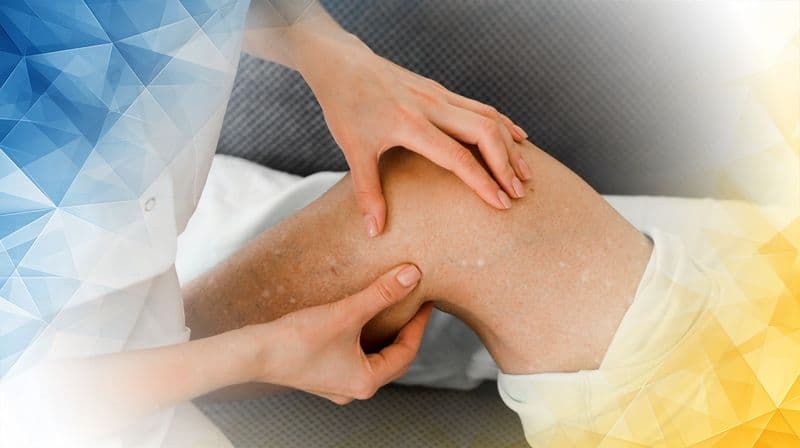
Knee cartilage is a smooth, rubbery tissue that cushions the ends of the bones in your knee joint , allowing pain-free movement. Unfortunately, this cartilage can wear down over time or become damaged from injury, leading to pain, stiffness, and restricted mobility. While medical treatments like surgery and medications are available, they may not fully restore the joint and can carry risks. That’s why more people are exploring natural ways to help the body repair and rebuild cartilage. In this guide, you’ll discover a practical, research-backed approach to improving your knee health naturally —with steps focused on nutrition, exercise, lifestyle changes, and emerging therapies.
What Is Knee Cartilage and Why Does It Matter?
Cartilage acts as a shock absorber in your knee, keeping bones from grinding against each other. Unlike skin or muscle, cartilage has a limited ability to heal itself, so damage can be long-lasting. Age, repetitive strain, and chronic inflammation can accelerate cartilage breakdown, sometimes leading to osteoarthritis—one of the most common causes of joint pain and stiffness. By understanding how cartilage works and what causes its degeneration, you can take important steps to protect your joints and encourage natural repair.
The Role of Nutrition in Cartilage Repair
What you eat has a significant impact on the health of your knee cartilage . Certain nutrients supply your body with the building blocks it needs to repair cartilage and manage inflammation. For example:
- Omega-3 fatty acids, found in fatty fish like salmon, can help reduce inflammation.
- Antioxidants such as vitamins C and E protect cartilage cells from damage.
- Collagen, glucosamine, and chondroitin are supplements that support cartilage structure and repair.
Filling your diet with leafy greens, colorful fruits, fatty fish, nuts, and bone broth delivers these valuable nutrients and helps your body create the ideal environment for healing.
Exercise and Physical Therapy: Moving Safely to Heal
Staying active is vital for healthy knees , but it’s important to choose exercises that are gentle on your joints. Low-impact activities like swimming, cycling, and stretching boost blood circulation to the knee, delivering oxygen and nutrients needed for repair. Strengthening the muscles around your knee through physical therapy can also stabilize your joint and reduce strain on the cartilage.
Research shows that regular, moderate exercise lowers joint inflammation and encourages the production of proteins that are essential for cartilage health. A personalized routine that blends gentle stretching, aerobics, and strength training—with guidance from a physical therapist if needed—can make a real difference.
Lifestyle Choices That Protect Your Knees
Beyond nutrition and exercise, daily habits can either support or undermine your knee health . Carrying excess weight puts additional stress on your knees and may accelerate cartilage wear. Maintaining a healthy weight through balanced eating and physical activity can greatly reduce this pressure.
Other lifestyle changes that lower inflammation—such as managing stress, getting enough restorative sleep , and avoiding smoking—also benefit your knees. Adding natural anti- inflammatory foods and spices, like turmeric and ginger, to your meals offers extra support.
Free non-medical discussion
Not sure what to do next?
Information only · No medical advice or diagnosis.
New and Emerging Natural Therapies
Medical advances are opening up promising new options for aiding cartilage repair . These include:
- Herbal extracts with anti-inflammatory effects
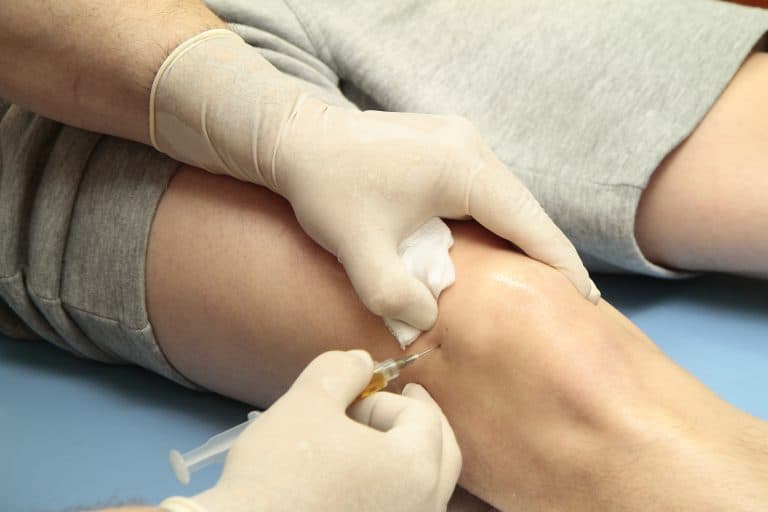
- Platelet-rich plasma (PRP) therapy, which uses healing components from your own blood to promote tissue repair
- Stem cell therapies , intended to stimulate the growth of new cartilage cells
Early research suggests these treatments can enhance the body’s repair processes, especially when combined with good nutrition, exercise, and healthy lifestyle habits. While more studies are needed, these therapies offer added hope for those seeking a natural approach to knee regeneration.
Several clinical studies have reported improvements in cartilage following these and similar treatments. Techniques such as autologous chondrocyte implantation (ACI), matrix-induced ACI (MACI), microfracture, and osteochondral autograft transfer (mosaicplasty) are among the many options being explored. Results have shown promising potential in restoring cartilage , particularly when treatments fit an individual’s unique needs.

Putting It All Together: Your Natural Regeneration Plan
The most effective approach to supporting knee cartilage repair combines several strategies. Prioritize nutrient-rich foods, participate in joint-friendly exercises, practice healthy lifestyle habits, and consider emerging therapies if appropriate. These steps don’t just work in isolation—they complement each other, producing better cartilage quality, less pain, and improved joint mobility. Research consistently shows that a comprehensive, multi-faceted approach provides the greatest benefits.
Staying on Track: Overcoming Challenges
Natural healing takes time, and you may encounter setbacks like slow progress or lost motivation. Setting realistic goals, tracking your improvements, and seeking professional guidance can help keep you on track. Remember, these natural strategies work best alongside any treatments your healthcare provider recommends. With patience and consistency, you can achieve meaningful improvements in knee function and comfort.
Conclusion: Take Control of Your Knee Health
By following a well-rounded plan—combining good nutrition, appropriate exercise, healthy lifestyle choices, and the latest therapies—you can give your body the support it needs to repair knee cartilage safely and effectively. Work with your healthcare provider to personalize this blueprint for your needs. With dedication, you can enjoy greater mobility, less pain, and a higher quality of life.
Looking Ahead: The Future of Natural Knee Care
Research into natural cartilage regeneration is progressing rapidly, leading to new, non-invasive treatments and therapies. As science continues to evolve, blending these innovations with proven lifestyle methods will create even more ways to protect and revitalize your knees . Staying informed, proactive, and committed is the best path to lasting knee health and well-being.
References
Okahashi, K., Fujisawa, Y., Sugimoto, K., & Tanaka, Y. (2010). Cartilage Regeneration of Knee OA After High Tibial Osteotomy. Techniques in Knee Surgery, 9(2), 95-100. https://doi.org/10.1097/btk.0b013e3181e0a0b0
Rodríguez‐Merchán, E. C. (2012). Regeneration of articular cartilage of the knee. Rheumatology International, 33(4), 837-845. https://doi.org/10.1007/s00296-012-2601-3
Mika, J., Clanton, T. O., Ambrose, C. G., & Kinne, R. W. (2016). Surgical preparation for articular cartilage regeneration in the osteoarthritic knee joint. Cartilage, 8(4), 365-368. https://doi.org/10.1177/1947603516670710
Legal & Medical Disclaimer
This article is written by an independent contributor and reflects their own views and experience, not necessarily those of London Cartilage Clinic. It is provided for general information and education only and does not constitute medical advice, diagnosis, or treatment.
Always seek personalised advice from a qualified healthcare professional before making decisions about your health. London Cartilage Clinic accepts no responsibility for errors, omissions, third-party content, or any loss, damage, or injury arising from reliance on this material.
If you believe this article contains inaccurate or infringing content, please contact us at [email protected].
London Cartilage Clinic
Modern treatments, designed for lasting knee outcomes
Every treatment plan is selected to help you return to the quality of life you deserve. Our team combines up-to-date techniques with consultant-led decision making across cartilage repair, regeneration and replacement.
What your journey can look like
Step 01
Consultant-Led Assessment
Symptoms, imaging and goals reviewed in one structured appointment.
Step 02
Personalised Treatment Plan
A clear route chosen from repair, regeneration or replacement options.
Step 03
Precision Delivery
Modern techniques and specialist equipment matched to your diagnosis.
Step 04
Long-Term Knee Health
Follow-up guidance focused on durable function and quality of life.
PAAG-8+ Questionnaire
A bright, structured entry point for patients exploring Arthrosamid. The questionnaire helps frame suitability, expectations, and 24-month clinical benefit discussion before a fuller consultant-led review.
Designed for shared decision-making. It does not replace specialist consultation, examination, imaging review, or formal medical advice.